

If I could keep only one part of psychedelic-assisted care, it would not be the medicine. It would be the week after. A ketamine session without integration is a vivid afternoon; with integration, it can become a different October. This is the half of the treatment that happens at kitchen tables and on morning walks, and it deserves a clearer description than it usually gets.
What a session actually leaves you with
People rarely leave a session with an answer. They leave with material: an image that will not quite fade, a sentence that arrived fully formed, a feeling of distance from something that used to sit on the chest. For a day or two after ketamine, many people also notice a kind of psychological flexibility, an ease in stepping around old ruts. That window is real, and it is short. Integration is the deliberate use of it.
Integration as a loop, not an epilogue
- Session. The material arrives.
- Capture. Notes within 24 hours.
- Reflect. Therapy, the circle, a journal.
- One change. Small and concrete.
- Back to the next session. What held and what did not gets carried in as the starting point.
Each session inherits the last one's homework.
The first 24 hours: capture
Session material fades the way dreams do. So the first task is unglamorous: write it down. Not an essay, just the images, the phrases, the one thing that surprised you. I keep notes during sessions for exactly this reason, and you and I compare versions at the next visit. What you capture badly today cannot be reflected on next week.
The first week: reflection with another person
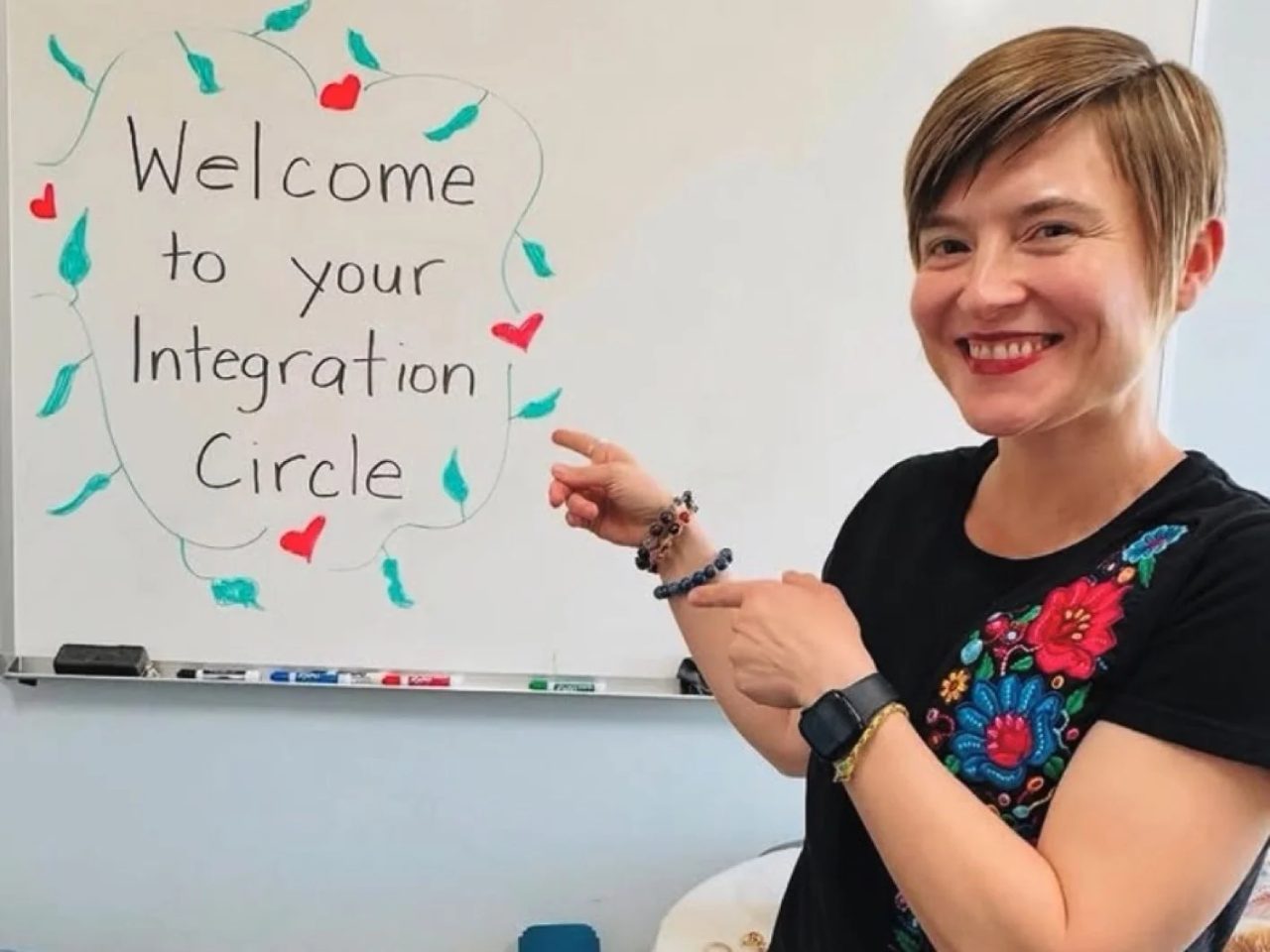
Some of this work is solitary: journaling, walking, sitting with music from the session. But the load-bearing part usually happens in conversation, because another person can hold your material without your habits. That can be one-on-one integration therapy, your own therapist, or the monthly integration circle, where people doing this same work compare notes. What matters is that the material gets spoken aloud to someone who knows how to listen to it.
Then: one small change
The failure mode of integration is grandness. A session shows someone the whole shape of their loneliness and they resolve to change everything, and by Thursday the resolve is gone and the insight has curdled into another self-criticism. The craft is choosing one change small enough to survive a bad week. One phone call. One boundary. Ten minutes of the thing the session pointed at. Small changes metabolize insight; grand ones mostly bury it.
If your session was psilocybin, not ketamine
The psychology of integration is much the same across medicines, but psilocybin work happens under Colorado's licensed Natural Medicine program, through my separate practice. MycoMuse has its own writing on integration after a psilocybin journey and on the week after a session, written for that context. For the ketamine side, start with how to prepare; preparation and integration are two ends of the same loop.
Individual experiences and outcomes vary; integration improves the odds that something useful holds, and it guarantees nothing.
If you are in crisis, call or text 988 (Suicide & Crisis Lifeline) or call 911. This practice does not provide emergency services.


